Yves Lehmann · 10 September 2026
Tracing the Journey of Traditional Herbal Practices from Island Communities to Global Markets
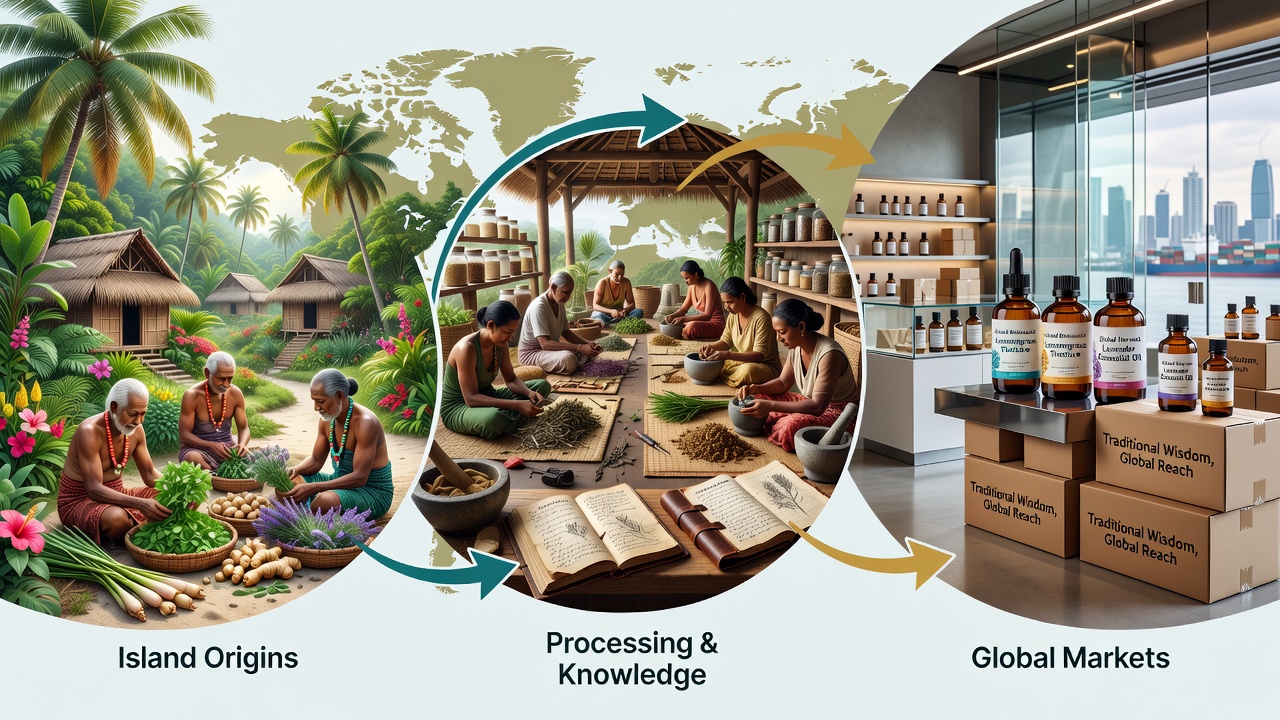
Traditional herbal practices have moved from remote island communities into worldwide commercial channels over recent decades, and data from agricultural trade records show steady increases in volumes shipped from regions such as the Pacific and Caribbean. Researchers at institutions tracking ethnobotanical resources note that plants once prepared only for local ceremonies now appear in capsules, teas, and extracts sold across continents, with export statistics compiled by bodies like the Food and Agriculture Organization indicating growth rates tied to demand for natural health products. Observers note that this expansion began with small-scale harvesting by island residents who maintained oral knowledge of plant uses passed through generations, while later phases involved partnerships with international buyers seeking consistent supply chains.
Island communities in places like Vanuatu and Fiji developed cultivation methods suited to volcanic soils and tropical climates, and records from local agricultural departments detail how these techniques supported both subsistence needs and emerging cash economies. Trade logs reveal that early shipments consisted mainly of dried roots and leaves sent to diaspora populations in Australia and New Zealand, yet volumes rose once certification standards allowed wider distribution into health food stores elsewhere. Experts who study supply networks point out that middlemen in port cities coordinated initial logistics, and this infrastructure later attracted larger processors who standardized drying and packaging procedures to meet phytosanitary requirements set by destination countries.
Early Trade Routes and Local Knowledge Systems
Historical accounts compiled by anthropologists describe how island healers identified specific plant varieties for particular uses, and these selections influenced which species entered commercial streams first. Data from customs archives show that shipments of certain root crops increased during the mid-twentieth century as shipping lanes improved, and communities adapted harvesting calendars to align with vessel schedules. Researchers who examined oral histories found that knowledge of soil types and seasonal cycles remained central even as production scaled, while external agronomists introduced hybrid approaches that preserved core practices yet raised yields. Those who've documented these shifts observe that island growers retained control over initial selection of planting stock, and this continuity helped maintain genetic diversity in exported material.
Regulatory Frameworks and Market Entry
National agencies in importing regions established guidelines for contaminant testing and labeling, and compliance records from the European Medicines Agency illustrate how producers adjusted fermentation and storage methods to satisfy those rules. Canadian health authorities published monographs that clarified acceptable dosage forms, and similar documents from Australia's Therapeutic Goods Administration provided pathways for registration that some island cooperatives pursued. Figures released by the World Health Organization indicate rising numbers of traditional medicine products submitted for evaluation between 2015 and 2025, while reports from the same period highlight training programs that helped island exporters understand documentation requirements. One study published by a university research group in Hawaii examined residue profiles across multiple harvest batches and confirmed that adherence to good agricultural practices reduced rejection rates at ports.
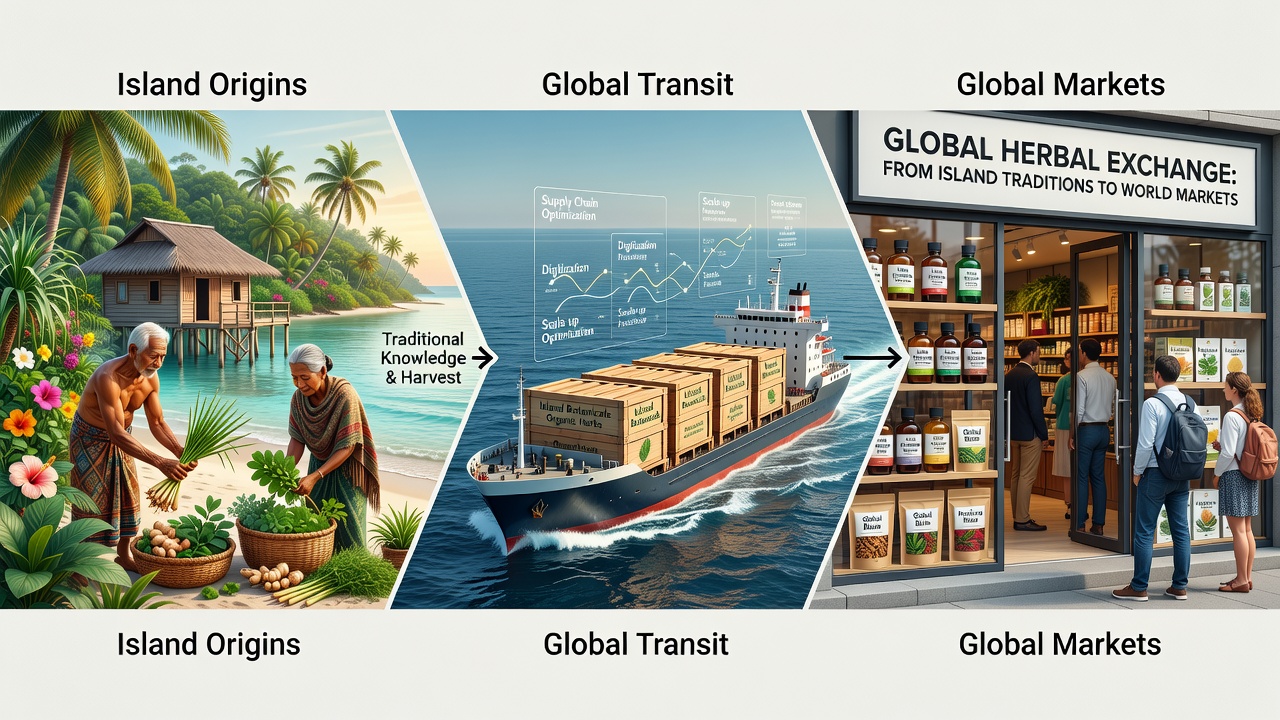
Market analysts tracking retail sales data note that products derived from island botanicals reached supermarket shelves in North America and Europe by the late 1990s, and subsequent growth coincided with consumer interest in plant-based supplements. Trade statistics compiled by the International Trade Centre show annual export values climbing from several million dollars in earlier decades to higher figures in recent years, with Pacific nations accounting for a measurable share of the root and rhizome category. Processors in destination markets developed extraction techniques that concentrated active compounds, and those methods in turn prompted island suppliers to invest in on-site quality testing equipment. Observers note that contracts between cooperatives and overseas firms often included clauses on sustainability metrics, and satellite monitoring of cultivation areas has been used in some regions to verify compliance.
Expansion Patterns and Economic Shifts
Community-led enterprises in several island nations formed cooperatives that negotiated directly with buyers, and revenue reports from those groups indicate improved infrastructure such as community drying facilities and access roads. Data collected by national statistics offices in source countries reveal employment gains in rural areas where herbal crops replaced less profitable alternatives, while training sessions run by agricultural extension services taught record-keeping and basic business skills. Researchers who surveyed participating households found that income from these crops supplemented fishing and tourism earnings, and the resulting cash flow supported school fees and medical expenses. Projections prepared by regional development banks anticipate continued volume growth through September 2026 as new extraction facilities come online and certification schemes gain wider recognition among retailers.
Academic papers examining value chains describe how branding strategies now emphasize geographic origin and traditional preparation methods, and consumer surveys conducted in multiple markets show that such narratives influence purchase decisions. Industry associations representing natural product manufacturers have hosted workshops that connect island producers with regulatory consultants, and attendance figures at these events have risen steadily. Those who've analyzed transaction records note that direct-to-consumer channels via online platforms emerged alongside conventional wholesale routes, and this diversification reduced reliance on single buyers. Environmental monitoring programs operated by island governments track soil health in cultivation zones, and preliminary results suggest that rotational planting maintains fertility when combined with traditional mulching techniques.
Conclusion
Records from trade databases and regulatory filings demonstrate that the movement of island-derived herbal materials into global markets rests on accumulated local expertise combined with adaptations to international standards. Continued documentation by research institutions and government agencies provides ongoing visibility into volumes, compliance rates, and community-level outcomes, while cooperative structures established in source regions continue to shape how benefits are distributed. Future data releases expected through 2026 will clarify whether current trajectories hold under evolving phytosanitary and sustainability requirements.