Casey Richter · 8 October 2026
Pacific Root Cultivation Techniques and Their Adaptation in Contemporary Agricultural Frameworks
Pacific root cultivation draws from centuries of island practices that emphasize soil health, canopy management, and selective harvesting for species such as kava and other Piper methysticum varieties. These methods evolved in volcanic island environments where rainfall patterns and nutrient-rich soils support slow-growing root systems, and observers note that traditional growers select planting sites based on elevation and drainage to reduce disease pressure while maintaining consistent moisture levels.
Traditional Root Growing Practices Across Island Regions
Communities in Vanuatu and Fiji developed techniques that include shade planting under native trees, staggered propagation from stem cuttings, and multi-year growth cycles that allow roots to reach optimal kavalactone concentrations. Research indicates these approaches rely on minimal external inputs, with farmers rotating plots to preserve soil fertility and using organic mulches derived from local vegetation to suppress weeds and retain humidity during dry spells.
Data from regional agricultural surveys shows that traditional systems often incorporate intercropping with coconut palms or banana plants, which provides additional income streams while the root crops mature over three to five years. Those who have documented these methods highlight how manual weeding and hand harvesting preserve root integrity, avoiding mechanical damage that can introduce pathogens during storage and transport.
Integration of Modern Techniques Into Established Systems
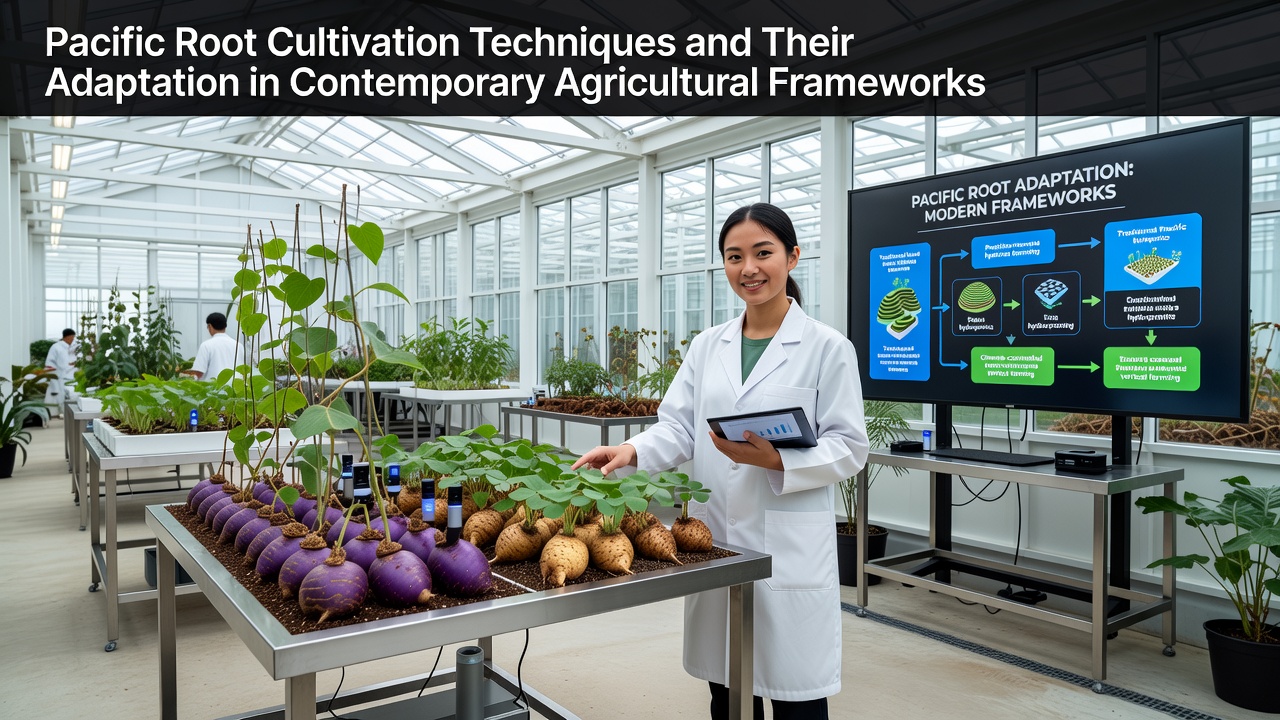
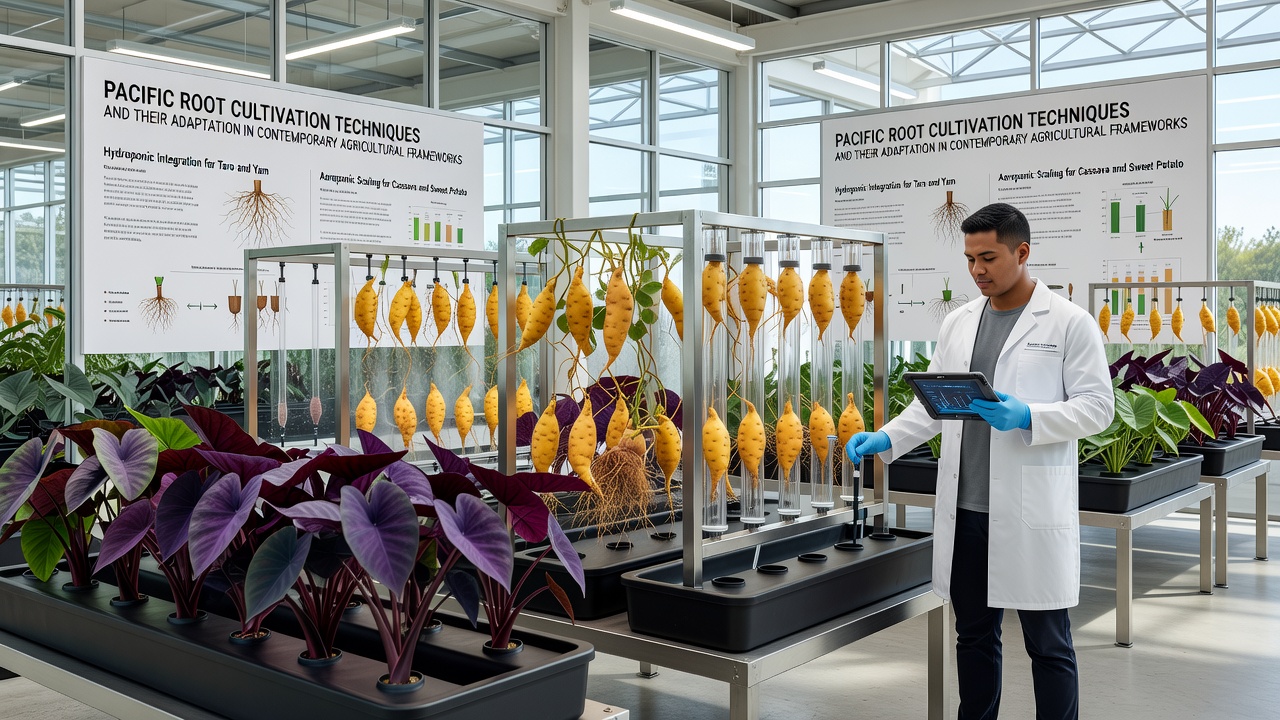
Contemporary adaptations build on these foundations by introducing tissue culture for disease-free planting material, drip irrigation in areas with variable rainfall, and soil testing protocols that guide targeted nutrient applications. Studies from Pacific research institutions reveal that hybrid approaches combining traditional shade structures with improved cultivars have increased yields without fully displacing local genetic diversity, and extension programs in multiple island nations now train growers on integrated pest management that blends cultural controls with selective biological agents.
One initiative documented in October 2026 demonstrated how GPS mapping of cultivation plots helps farmers align planting schedules with climate forecasts, reducing losses from shifting weather patterns while maintaining the long maturation periods required for quality roots. Agricultural frameworks in Australia and New Zealand have incorporated these adapted methods into certification standards that verify traceability from farm to export, supporting compliance with international residue limits.
Policy and Market Frameworks Shaping Current Practices
Export-oriented cultivation now operates under regulatory structures that address phytosanitary requirements and sustainability metrics. The Australian Centre for International Agricultural Research has supported projects that evaluate soil carbon sequestration in Pacific root systems, while Canadian research partnerships have examined post-harvest handling innovations that extend shelf life for distant markets. These collaborations emphasize data collection on water use efficiency and biodiversity impacts, allowing producers to meet buyer specifications from multiple regions.
Observers note that grower cooperatives in several Pacific territories have adopted record-keeping systems that track variety, harvest date, and processing methods, which aligns with emerging traceability mandates in the European Union and supports premium pricing for verified sustainable product. Figures from trade reports indicate steady expansion of cultivated area under these adapted frameworks, driven by demand in wellness sectors yet constrained by land availability and labor requirements.
Challenges and Responses in Scaled Production
Scaling root cultivation introduces pressures around land tenure, climate variability, and access to quality planting stock. Programs coordinated through regional bodies address these issues by promoting community seed banks and drought-tolerant varieties developed through selective breeding. Evidence suggests that combining traditional knowledge of microclimates with modern forecasting tools helps mitigate risks from cyclones and prolonged dry periods, preserving both yield stability and cultural continuity in production areas.
Training modules delivered through agricultural extension services focus on record management and financial planning, enabling smallholders to participate in certified supply chains. Data collected through these efforts shows improvements in root quality metrics when farmers apply consistent drying and curing procedures developed from both ancestral practices and laboratory validation.
Conclusion
Pacific root cultivation continues to evolve as traditional knowledge intersects with contemporary agricultural tools and regulatory expectations. Regional data and collaborative research projects demonstrate measurable progress in yield, traceability, and environmental outcomes when adaptations respect established growing cycles while incorporating soil analysis, irrigation refinements, and certification protocols. Ongoing efforts through October 2026 and beyond focus on maintaining genetic diversity and market access for island producers operating within these integrated frameworks.