Viktor Simmons · 24 September 2026
How Certification Protocols Shape Access for Pacific Root Exports in Emerging Wellness Markets
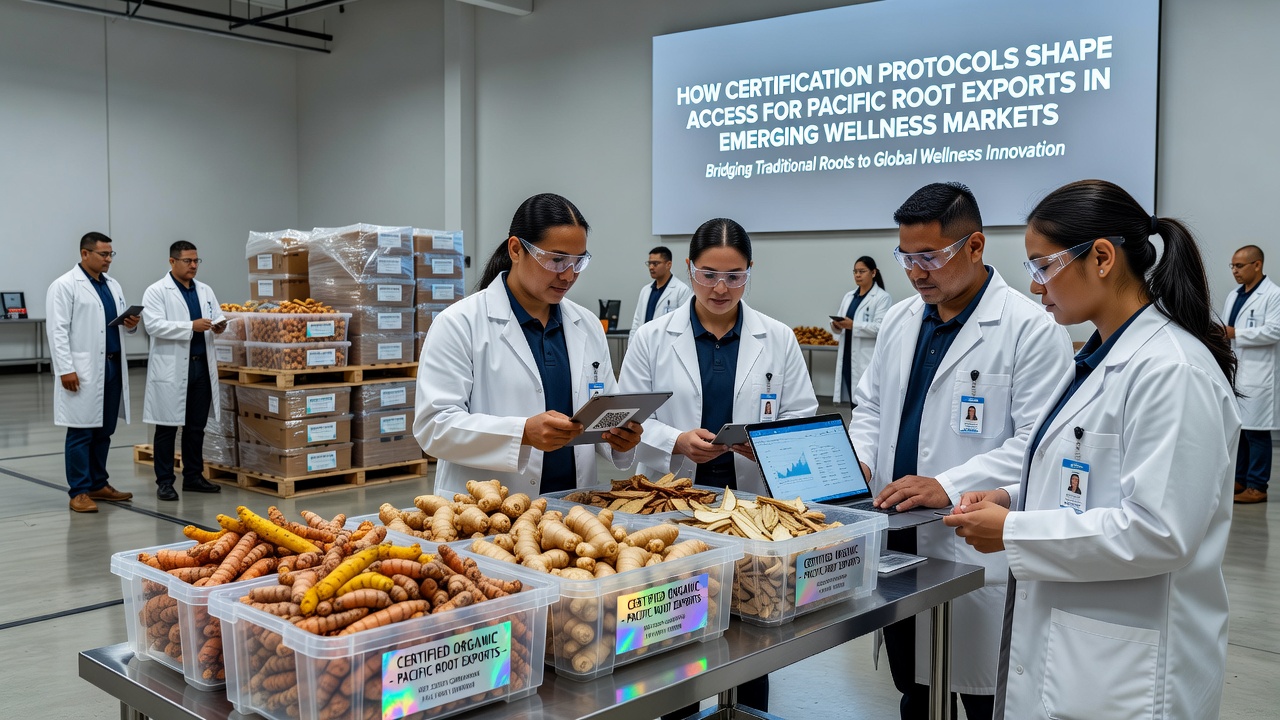
Certification protocols establish the framework that determines whether Pacific root products reach shelves in emerging wellness markets across North America, Europe, and parts of Asia, and these standards cover everything from cultivation practices to laboratory testing for contaminants. Exporters from Vanuatu, Fiji, and Tonga navigate layers of requirements that include Good Agricultural and Collection Practices, organic verification, and hazard analysis systems before shipments clear customs in destination countries. Data from trade records show that certified batches clear entry points faster while non-certified lots face delays or outright rejection at borders.
Core Certification Standards Applied to Pacific Roots
Global buyers demand documentation that confirms absence of heavy metals, microbial loads below set thresholds, and adherence to sustainable sourcing methods, and these elements combine into a single compliance package that regulators review during import inspections. Pacific producers often work with third-party auditors who verify field records, drying facilities, and traceability chains back to specific plots of land. Researchers at regional agricultural institutes have documented how farms that implement these steps report higher acceptance rates in overseas shipments compared with those that rely on basic phytosanitary certificates alone.
Organic certification adds another tier because wellness brands market the roots as natural alternatives in supplement lines, and this label requires annual renewal plus buffer zones around cultivation areas to prevent cross-contamination. In parallel, many importers request ISO 22000 or HACCP plans that map every production stage for potential hazards. Observers note that the combination of these protocols creates a de facto barrier that smaller growers must clear through cooperatives or partnerships with larger exporters.
Market Entry Patterns in Key Regions
Wellness markets in the United States and Australia impose additional scrutiny on novel botanical ingredients, and Pacific roots fall under dietary supplement rules that require facility registration plus adverse event reporting systems. Exporters who obtain certifications aligned with these rules gain listing on major retailer platforms while others remain limited to niche direct-sales channels. European Union markets apply novel food assessments that can stretch certification timelines by months, yet once approved the same documentation opens multiple member states at once.
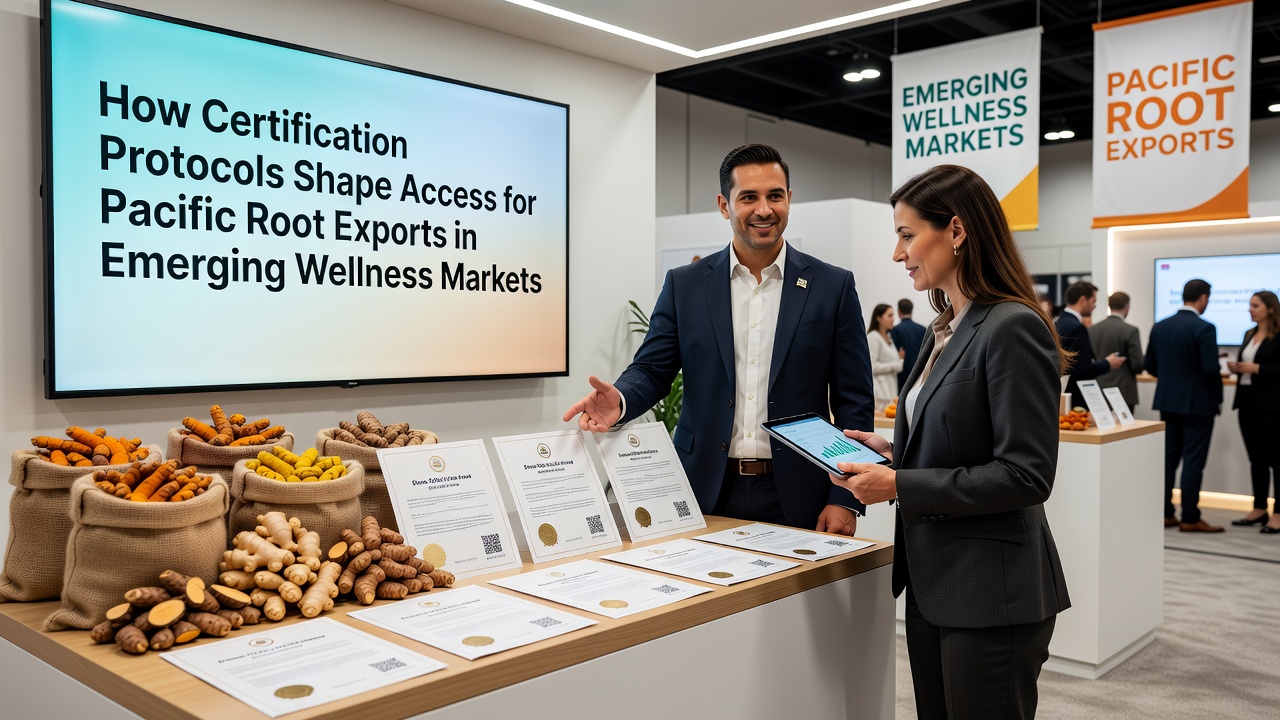
Figures from 2024 trade statistics indicate that certified Pacific root volumes to Australia rose steadily after updated biosecurity agreements took effect, and similar patterns appear in Canadian import data where Health Canada guidelines emphasize identity testing for botanical materials. Those who've studied the supply chain point out that certification costs remain a fixed expense regardless of shipment size, which shifts the advantage toward organized grower groups that can spread audit fees across multiple harvests.
Adaptations by Exporters and Regulatory Updates
Producers in the Pacific have formed export councils that coordinate group certifications, reducing per-unit costs adn creating shared laboratories for routine testing, and these collectives now supply the majority of roots that reach wellness brands in emerging markets. Training programs funded by development agencies teach record-keeping and residue management so that farms meet the documentation standards demanded by auditors. What's interesting is how digital traceability platforms now integrate with certification databases, allowing buyers to scan QR codes that link each batch to its origin adn test results in real time.
Upcoming changes scheduled for September 2026 include tighter maximum residue limits for certain pesticides in several wellness-importing countries, and Pacific exporters are already aligning their field practices with the new thresholds to avoid future disruptions. Government agencies in Australia and the European Union have published draft guidance documents that detail the expanded testing panels, giving producers a clear window to adjust before enforcement begins.
Supply Chain and Traceability Requirements
Traceability systems now extend from farm gate to final packaging, and certification bodies require batch codes that survive the entire journey so regulators can trace any contamination event back to its source. This level of detail satisfies retailers who face their own liability rules in wellness product categories. Industry reports show that companies maintaining full chain-of-custody records experience fewer product recalls and maintain steadier relationships with distributors in high-growth markets.
Link to the Australian Department of Agriculture, Fisheries and Forestry guidelines on plant import conditions: Australian import conditions for plant products. Additional reference appears in the European Food Safety Authority technical reports on botanical safety assessments: EFSA botanical safety assessments.
Conclusion
Certification protocols continue to define which Pacific root exports enter emerging wellness markets, and the combination of agricultural standards, laboratory verification, and traceability systems creates both entry requirements and competitive advantages for compliant suppliers. As September 2026 approaches, updated residue limits and expanded testing panels will further refine access conditions, rewarding those producers who maintain current documentation and adjust practices in advance. Trade data consistently demonstrate that certified shipments dominate volume growth while uncertified material remains confined to smaller or informal channels.